
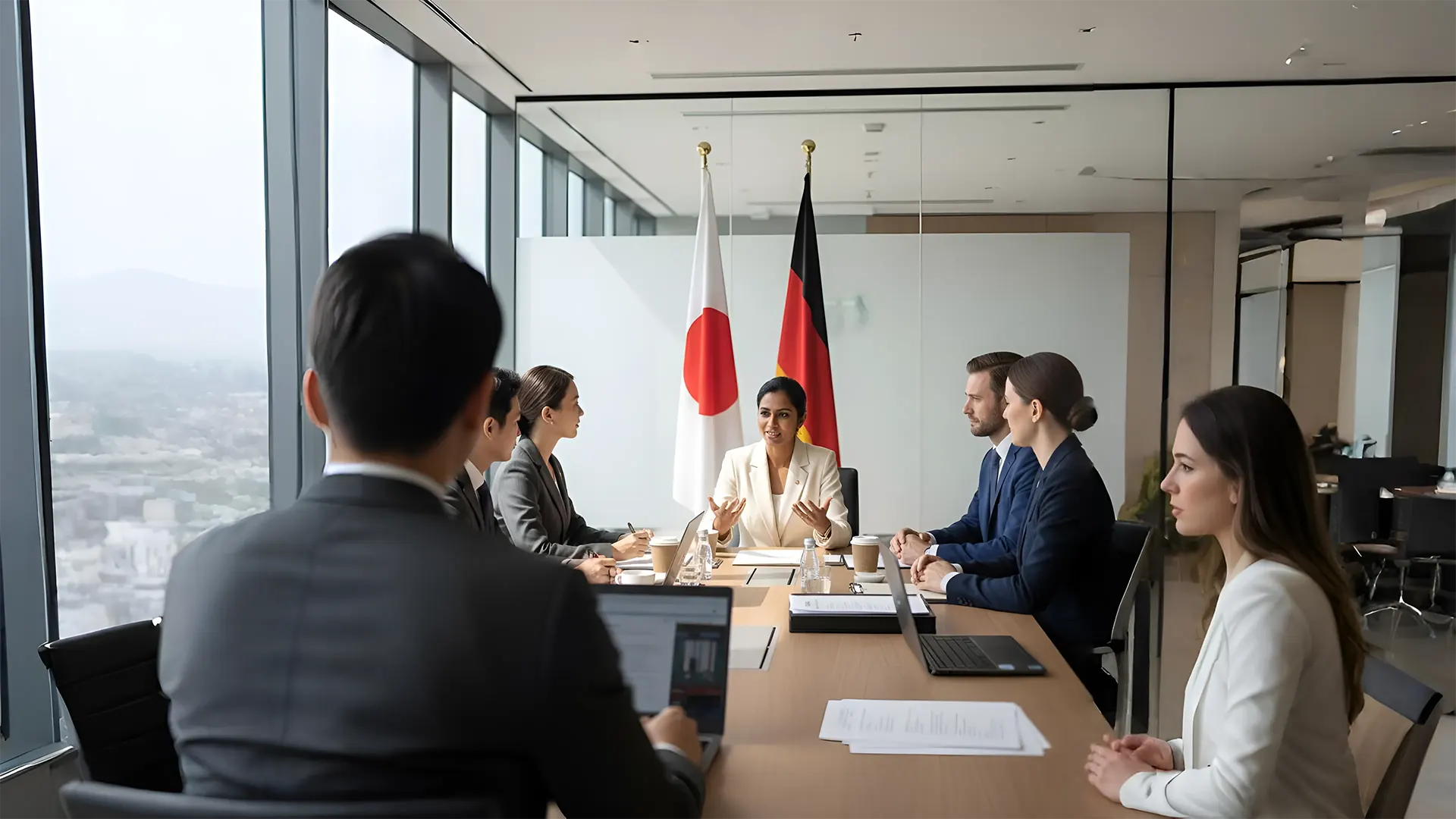
Operating across borders brings enormous opportunities—but also unique challenges. When conflicts arise between international partners, suppliers, or clients, the stakes are high: differences in laws, culture, language, and business practices can quickly escalate disputes.
The question many companies face is:
“What’s the best way to resolve an international business dispute efficiently and effectively?”
The answer often lies in international business mediation. This structured, neutral process helps parties resolve conflicts across jurisdictions without resorting to costly, time-consuming litigation.
If you want professional guidance for your international dispute, book a free consultation today.
Why International Business Disputes Are Complex
International disputes differ from domestic conflicts in several key ways:
- Legal differences: Each country has its own commercial laws, contract enforcement rules, and dispute resolution frameworks.
- Cultural differences: Negotiation styles, communication patterns, and business norms vary globally.
- Language barriers: Misunderstandings in contracts, correspondence, or meetings can escalate disputes.
- Enforceability issues: Enforcing judgments or awards across borders can be complicated and expensive.
- Time and cost: Traditional litigation in foreign courts can be slow, costly, and uncertain.
These factors make cross-border mediation an increasingly popular alternative for international businesses.
What Is International Business Mediation?
International business mediation is a voluntary, confidential, and neutral process where a trained mediator helps parties from different countries resolve commercial disputes.
Key features include:
- Neutral facilitator: Mediator is impartial and helps parties communicate effectively.
- Cross-border expertise: Mediators understand international laws, trade agreements, and cultural differences.
- Confidential and private: Unlike litigation, sessions are not public, preserving business relationships and reputation.
- Flexible solutions: Parties retain control over outcomes, including payment terms, contracts, and operational agreements.
- Faster and cost-effective: Reduces the expense and duration of traditional cross-border litigation.
Mediation is ideal for disputes involving:
- International contracts and supply chains
- Joint ventures or partnerships
- Licensing and intellectual property issues
- Distribution agreements
- Export-import disagreements
Why Mediation Is Often the Best Choice for International Disputes
1. Faster Resolution
Litigation across borders can take years due to complex court procedures and jurisdictional issues.
Mediation can resolve disputes in days or weeks, saving valuable time for businesses.
2. Cost Savings
Cross-border litigation requires multiple legal teams, translations, and travel. Mediation significantly reduces these costs.
3. Preservation of Business Relationships
International disputes can damage long-term partnerships. Mediation encourages collaboration and compromise, helping preserve commercial relationships.
4. Confidentiality
Mediations are private, unlike court proceedings which may expose sensitive business information publicly. This is critical for companies concerned with brand reputation or trade secrets.
5. Flexibility in Solutions
Unlike courts, mediators can help parties craft custom solutions tailored to the business context, including:
- Amended contract terms
- Payment plans across jurisdictions
- Operational or partnership adjustments
- Non-financial solutions like technology sharing or licensing
Step-by-Step Process of International Business Mediation
Step 1: Choosing a Qualified Mediator
- Select a mediator with experience in international business disputes and cross-border laws
- Ensure language and cultural competencies align with the parties involved
Step 2: Preliminary Assessment
- Parties provide relevant documents, contracts, and communications
- Mediator evaluates the dispute, clarifies issues, and sets objectives
Step 3: Agreement to Mediate
- All parties sign a mediation agreement outlining confidentiality, process, and scope
Step 4: Joint Mediation Sessions
- Mediator facilitates discussion between parties
- Focuses on clarifying misunderstandings, addressing contractual gaps, and exploring mutually beneficial solutions
Step 5: Private Caucuses
- Mediator may hold confidential meetings with each party to explore options and address sensitive issues
Step 6: Negotiation and Drafting
- Parties negotiate solutions, guided by mediator
- Agreement is drafted outlining responsibilities, timelines, and financial arrangements
Step 7: Legal Finalization
- While mediation agreements are voluntary, they can be formalized as binding contracts enforceable in multiple jurisdictions
Most international disputes are resolved faster and more efficiently than by pursuing litigation in foreign courts.
Best Practices for International Mediation
- Choose experienced mediators: Preferably with expertise in international law, trade agreements, and cross-cultural negotiation.
- Prepare thoroughly: Gather contracts, communications, and financial records.
- Understand cultural norms: Awareness of negotiation styles, communication, and business etiquette is critical.
- Maintain transparency: Full disclosure promotes trust and faster resolution.
- Focus on solutions: Shift from blame to constructive problem-solving.
FAQ: International Business Mediation
1. Is international mediation legally binding?
Yes. Mediation agreements can be formalized into contracts enforceable in multiple jurisdictions.
2. How long does mediation take?
Most disputes are resolved in a few sessions over weeks or months, compared to years in court.
3. Can lawyers be involved?
Yes. Parties often consult international attorneys for advice, while the mediation itself remains collaborative.
4. What types of disputes are suitable?
Contracts, joint ventures, licensing, distribution, and IP disputes are ideal for mediation.
5. Can mediation preserve business relationships?
Yes. Mediation emphasizes collaboration and compromise, helping maintain long-term partnerships.
International business mediation is often the fastest, most cost-effective, and least adversarial way to resolve cross-border commercial disputes. By leveraging neutral facilitation, cultural understanding, and legal expertise, companies can protect relationships, reduce costs, and achieve mutually beneficial solutions.
Book a free consultation today to explore how international business mediation can resolve your dispute efficiently and strategically.